食物,作为一种物质、文化和现象,与人们的态度和关系紧密相关。大多数人对食物的态度是索取、赞扬和享受,但对于某些人来说,食物是他们的不确定因素,准确地来说,应该是进食障碍症(Eating Disorder)。这是一个普遍存在但是目前还没有被广泛重视的心理健康状况。进食障碍人群与食物的关系充满了矛盾和痛苦,甚至长期被“食物”所压制。
“截止目前统计的数据,世界范围内有多达7000万人患有饮食失调症。
-引自中国华南理工大学数据分析和信息可视化研究中心,2022
截止2017年,中国约有210万人患进食障碍症,是全球因进食障碍死亡人数最高的国家,需22个国内最大体育馆——鸟巢才能容纳得下。
而相关调查研究显示,进食障碍的患病率远远被低估,柳叶刀-精神病学》发布的基于2019年全球疾病负担(GBD)研究的进食障碍患者病率研究提出,未被计入的患病人数高达490万。”
对此,英国National Health Service (NHS) 对进食障碍症的定义是:
It is a mental health condition where unhealthy eating behaviours are used to cope with complicated feelings and issues. /一种心理健康状况,通过不健康的饮食行为被用来应对复杂的感觉和问题。
我自己也曾经经历过进食障碍的困扰。经过多年的调理和自我控制,我目前已恢复到正常的饮食状态。于是,在2023年2月,我开始寻找与我有相同经历的人,并通过在网络上召集一场访谈来邀请人们分享他们的经历。这次访谈主要集中在伦敦进行,既有线上形式也有线下形式。不久之后,我收到了三十多条回复和私信,有人好奇什么是进食障碍,也有人想要倾诉自己的经历。
在这个过程中,我遇到了许多善良而温柔对待生活的女孩们。也许许多人无法理解,认为这只是吃饭的问题,不应该那么复杂。但实际上,进食障碍背后承载着太多的情感和挣扎。
绝大多数患有进食障碍的人都是善良到令人难以想象的人,他们宁愿苛待自己,也不愿意给别人添麻烦。有时,只因为别人不恰当的关心或不经意的一句话,就会引发进食障碍,然后通过漫长的岁月来自我修复。期间,由于荷尔蒙的紊乱和受伤后的极度敏感心态,他们的社交生活受到了影响。
我还是持续不断地收到很多消息,但由于工作量已经超出一个人能承担的程度,我目前暂停了征集。不过这也让我意识到,这是一个不容忽视的现象。
我想做的,是制作一个生活指导手册,也是一本插画书,我想用讲故事的方法来疗愈身陷饮食痛苦的人们,同时,这也能架起一座沟通的桥梁, 也让进食障碍人群周围的家人朋友了解他们的处境。
Food, as a substance, culture, and phenomenon, is closely intertwined with people’s attitudes and relationships. While most individuals approach food with a sense of desire, appreciation, and enjoyment, it becomes an uncertain factor for some, specifically in the context of eating disorders. Eating disorders are a prevalent yet often overlooked mental health condition. Individuals with eating disorders have a conflicted and painful relationship with food, constantly feeling suppressed by its presence.
“According to the latest statistics, there are as many as 70 million people worldwide suffering from eating disorders. As of 2017, China had approximately 2.1 million people with eating disorders, making it the country with the highest number of deaths related to eating disorders globally. It would require a venue as large as the Bird’s Nest, which can hold 22 of China’s largest sports arenas, to accommodate all of them.
However, research suggests that the prevalence of eating disorders is significantly underestimated. A study based on the Global Burden of Disease (GBD) research in 2019, published in The Lancet-Psychiatry, indicates that the unaccounted number of people with eating disorders could be as high as 4.9 million.”
-Excerpt from the Data Analysis and Information Visualization Research Center at the South China University of Technology.(2022)
The National Health Service (NHS) defines eating disorders as mental health conditions that employ unhealthy eating behaviours as coping mechanisms for complex emotions and issues.
I have personally experienced the struggles of an eating disorder. I have restored a regular eating pattern through years of self-regulation and control. In February 2023, I embarked on a journey to connect with individuals who share similar experiences, inviting them to participate in interviews through online and offline platforms, primarily based in London. Shortly after, I received over thirty responses and private messages, with some expressing curiosity about eating disorders while others sought to share their personal stories.
Throughout this process, I encountered many compassionate and gentle individuals who approached life with kindness. Perhaps many cannot comprehend the complexities associated with eating disorders, considering them merely food-related issues that should not be overly complicated. However, behind eating disorders lie a multitude of emotions and struggles.
Most individuals affected by eating disorders are remarkably kind-hearted, often subjecting themselves to self-punishment rather than inconveniencing others. Sometimes, a lack of appropriate care or an unintentional remark from others can trigger eating disorders, necessitating a long journey of self-healing. Hormonal imbalances and hypersensitivity due to emotional trauma further impact their social lives.
I continue to receive numerous messages, but the workload has exceeded what I can handle individually, prompting me to temporarily halt the collection process. However, this realisation has underscored the significance of addressing this issue.
I aspire to create a life guide presented as an illustrated book. I aim to employ storytelling to heal those trapped in the torment of eating disorders. Simultaneously, this endeavour will serve as a bridge for communication, fostering a better understanding of the experiences of individuals with eating disorders among their families and friends.
故事概括/ Summary of the story
我创造了一组充满亲和力的毛茸茸动物角色,其中包括棕熊、兔子、西高地犬、水豚和鸭子。通过这些角色之间富有鼓励性的对话,我试图为读者带来治愈和愉悦的力量。这些可爱的角色不仅是陪伴,还是在读者情感低谷时提供正面支持的伙伴。
I have created a set of adorable and affectionate furry animal characters, including a brown bear, rabbit, West Highland White Terrier, capybara, and duck. Through encouraging dialogues, these characters aim to bring a healing and uplifting experience to the readers. These lovable companions not only serve as company but also provide positive support during emotional lows.
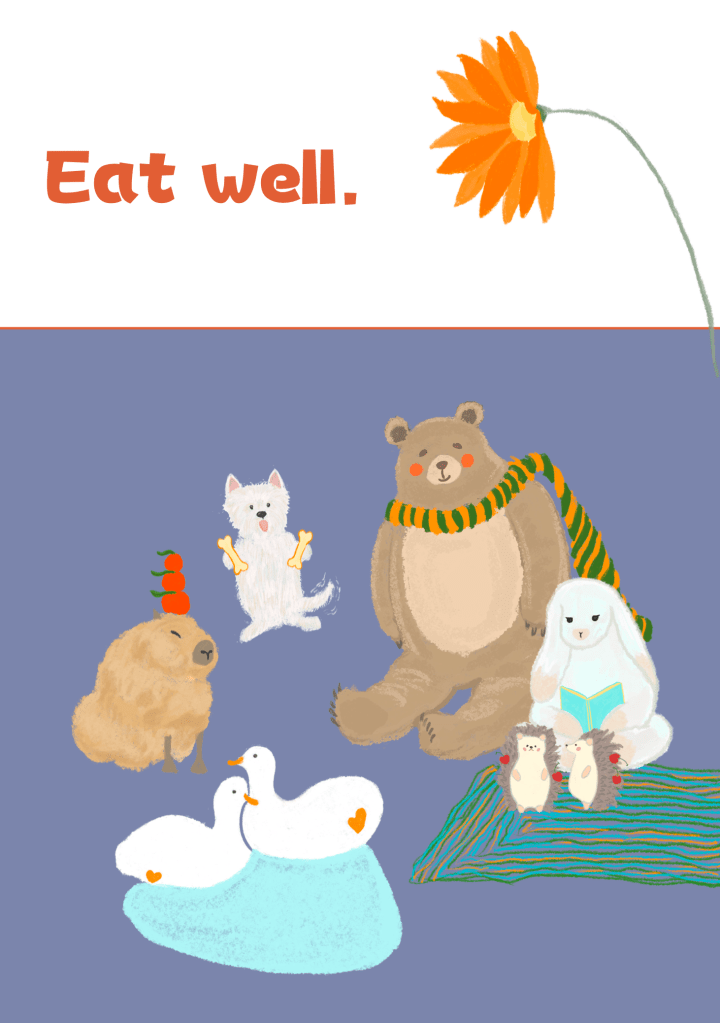
The booklet is titled “Eat Well.”
早期工作
Early Stage of Work
一个概念模型 A Conceptual Model
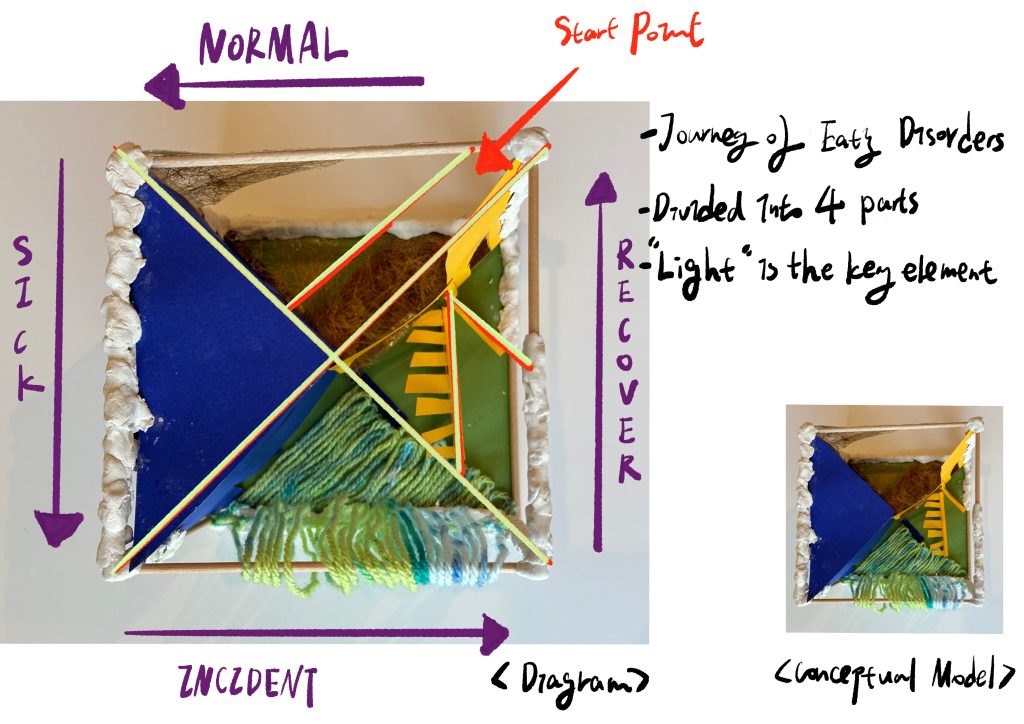
在项目早期,我利用建筑学知识创建了一个概念模型,以表达进食障碍的过程。我构建了一个正方体木框支架,并将其内部分割为四个部分,代表进食障碍的四个主要阶段:病态(Sick)、转折(Incident)、复原(Recover)和常态(Normal)。我运用卡纸、毛线、布料等多种材料来呈现这些阶段。光线和颜色成为模型中划分步骤的主要元素,通过它们来表达每个阶段的情感和变化。这个模型成为我讲述个人经历和思考的媒介,让观者能够更深入地理解进食障碍的过程和复杂性。
During the early stages of the project, I utilised my knowledge of architecture to create a conceptual model for eating disorders. I constructed a cube-shaped wooden framework and divided it into four sections inside, representing the four major stages of the eating disorder journey: “Sick,” “Incident,” “Recover,” and “Normal.” I used various materials such as cardboard, yarn, fabric, and more to depict these stages. Light and colour became the model’s primary elements, signifying each stage’s emotional and transformative aspects. This model served as a medium to share my experiences and thoughts, allowing viewers to gain a deeper understanding of the process and complexity of eating disorders.
Part 1 病态/ Sick
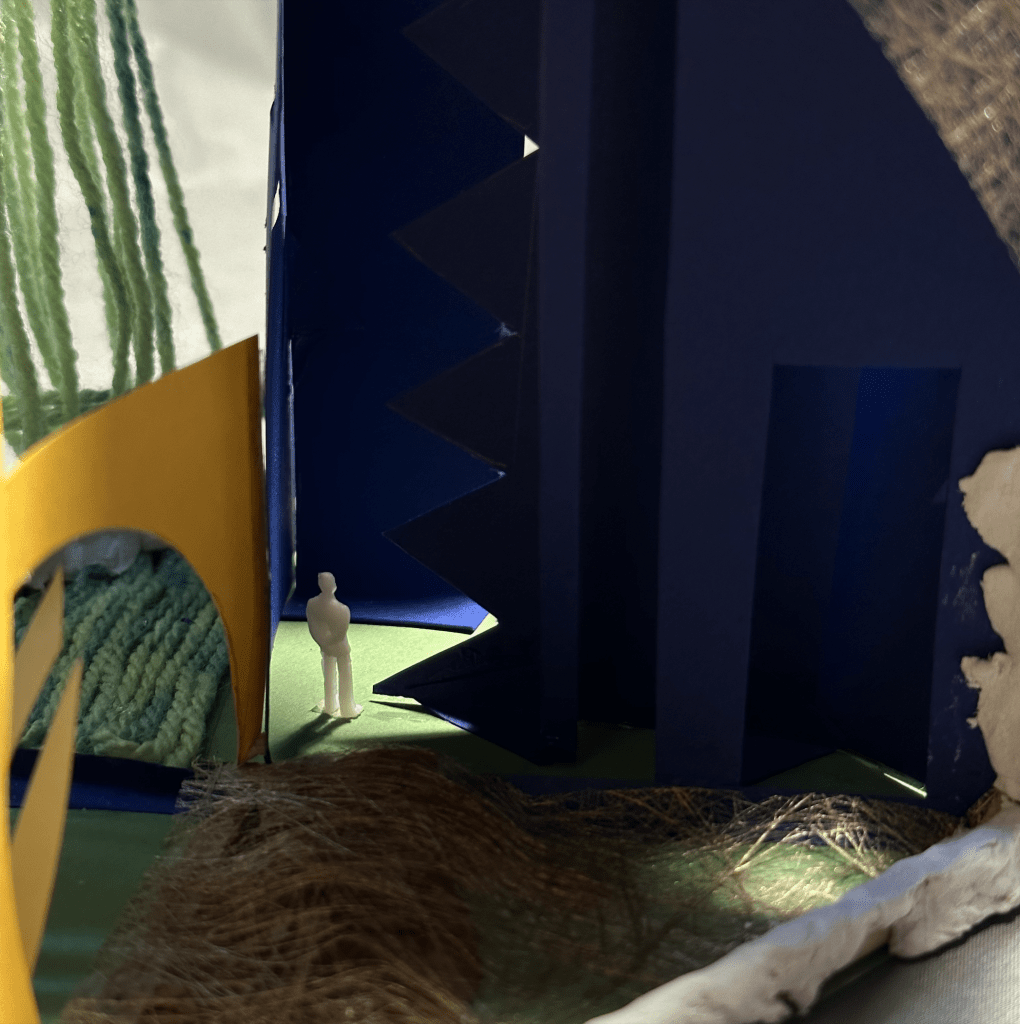
The entrance of “Sick.”
我的“Sick” part 从2010年持续到了2016年,最开始的原因非常简单- 我只是想减肥而已。因为青春期迅速发胖,仿佛一夜之间,衣橱里的所有衣服我都穿不下了,原本宽松的领口已经勒到脖子,裤子的纽扣怎么也挤不上去。当时我妈妈在周末最常做的事情就是带我买条合适的裤子,可惜的是,有的裤子腰围合适,裤腿却长长地拖到地上;有的腿围合适,但是腰围能把我憋到窒息。每次进试衣间都像拆盲盒,我永远都不知道下一条裤子到底能不能穿上。那个小小的试衣间就像是操纵着我的情绪开关一样,我每次满怀期待地进去,但是到最后都无一例外地摔门而去。
与此同时,身材的变化也很快受到了周围人的指责,突然之间,几乎所有人都站到高处肆无忌惮地评价我“吃少点”,“腿太粗了”,“女孩子怎么能这么胖”等等。很快,在这种言论环境下,我越发觉得“胖”是一个错误的事情,因此我就开始节食减肥,刚开始确实有效果,我很高兴。但是很快到了平台期,我的体重怎么也下不去,所以我开始吃得更少,到最后演变成一天只吃一个苹果,节食变成了绝食,我甚至引以为傲,因为我能穿下更小尺码的裤子了。
My “Sick” phase lasted from 2010 to 2016, and it all started with a simple desire to lose weight. During puberty, I gained weight rapidly, seemingly overnight. Suddenly, none of the clothes in my wardrobe fit me anymore. The once loose necklines were now tight around my neck, and I couldn’t button up my pants. One of the most frequent activities my mom and I did on weekends was to go shopping for a pair of fitting pants. Unfortunately, some had the right waist size but were too long in length, dragging on the ground. Others fit around the legs but constricted my waist, leaving me breathless. Each time I stepped into the fitting room, it felt like opening a mystery box. I never knew if the next pair of pants would fit me. That tiny fitting room seemed to control my emotions, and without fail, I always stormed out in frustration.
At the same time, the changes in my body drew harsh criticism from those around me. Suddenly, almost everyone felt entitled to make remarks from higher ground, telling me to “eat less,” commenting on my “thick legs,” or questioning how a girl could be “so fat.” In this environment of constant judgment, I began to perceive being “fat” as something inherently wrong. Thus, I started restricting my food intake to lose weight. At first, it seemed to work, and I was thrilled. However, I soon hit a plateau, unable to shed any more weight. So, I started eating even less, eventually turning into a day of eating only one apple. Restricting food turned into starvation, and I took pride in it because it meant I could fit into smaller-sized pants.
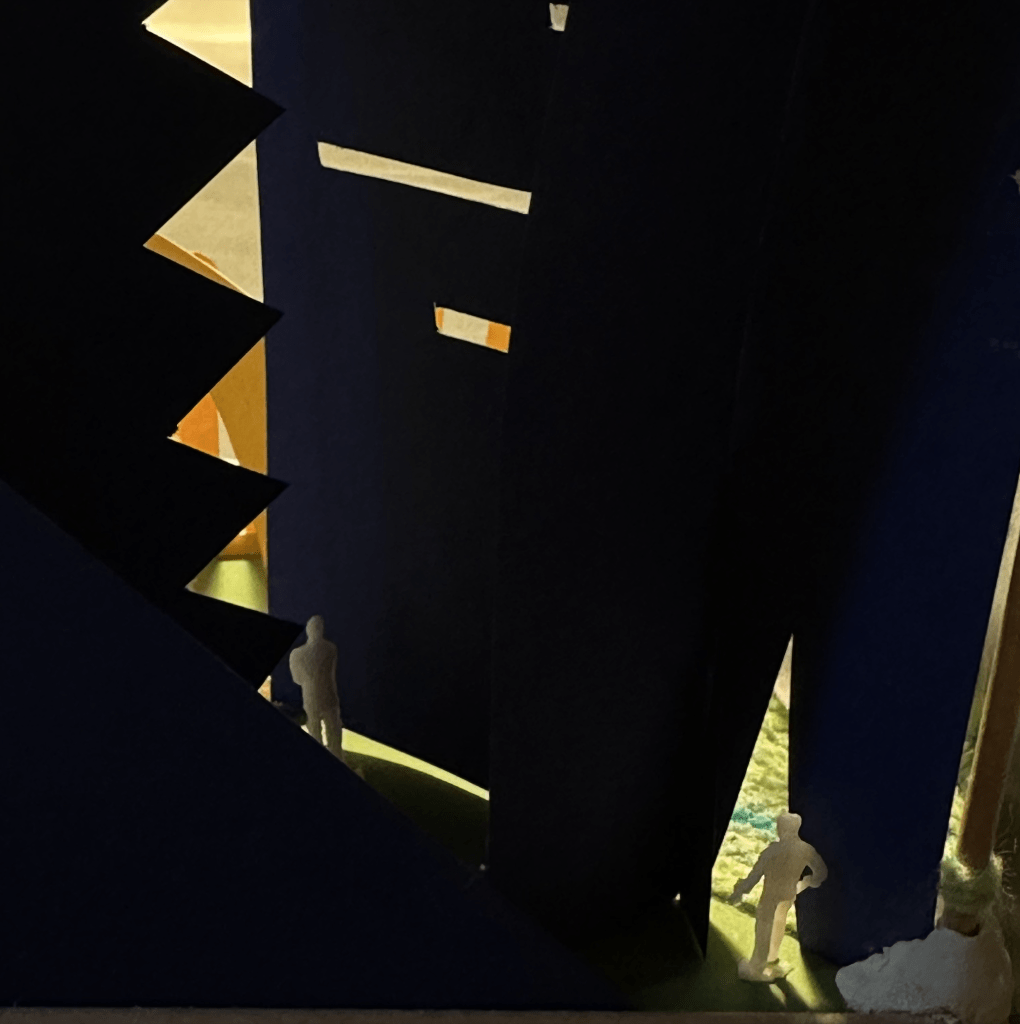
Inside View of “Sick”
直到有一天下午,我路过一家披萨店,他们家的土豆披萨真的很好吃,烤熟后的土豆块浸在微融的芝士里,口感非常迷人。我因为减肥很久没吃碳水了,所以想点一份奖励自己,于是我就走了进去。下午的披萨店没什么人,空荡荡的座椅散乱地摆布在洒满阳光的地板上。老板笑眯眯地问我想吃点什么,他们家只能点中号和大号的披萨,所以我就要了一个中号的,打算吃不完就打包回家。点好餐后我随意找了一个角落坐下,过了一会,服务员就端着土豆披萨过来了,我飞快吃掉了两片,暗暗告诉自己吃完第三片就回家,但是很快到了第五片,第六片…碳水和蛋白质的香味一直刺激到我的神经中枢,我坐在座位上就像一个进食机器一样疯狂地咀嚼披萨,一点一点地把我的胃填满,直到塞不下任何东西。终于,披萨吃完了,我也终于清醒了。我忘了我当时吃完是什么心情,不过应该不是高兴。这份土豆披萨是我进食障碍症的开端,在这之后有无数个相同的瞬间,我停不下来咀嚼食物,把我的胃撑爆,也把我的理智丢弃了。
Until one afternoon, as I passed by a pizza shop, the aroma of their potato pizza wafted into my senses. The perfectly baked potatoes nestled in melted cheese, creating an irresistibly tantalizing texture. It had been a long time since I allowed myself to indulge in carbs due to my weight loss efforts, so I decided to treat myself and stepped inside. The pizza shop was empty in the afternoon, with scattered chairs arranged on the sunlit floor. The owner greeted me with a warm smile and asked what I would like to order. They only served medium and large-sized pizzas, so I opted for a medium, intending to take the leftovers home. After placing my order, I found a corner seat and settled in.
In no time, the server brought over the potato pizza. I quickly devoured two slices, silently promising to stop after the third slice and head home. But before I knew it, I was onto the fifth, the sixth… The irresistible aroma of carbs and protein filled the air, stimulating my senses. I sat in my seat like a ravenous machine, chewing the pizza fervently, bit by bit, until my stomach could no longer hold anything. Finally, the pizza was gone, and I snapped out of my trance. I can’t recall what I felt then, but it certainly wasn’t happiness. That potato pizza marked the beginning of my eating disorder. Countless similar moments followed, where I couldn’t stop chewing, filling my stomach beyond capacity, and abandoning all reason and control.
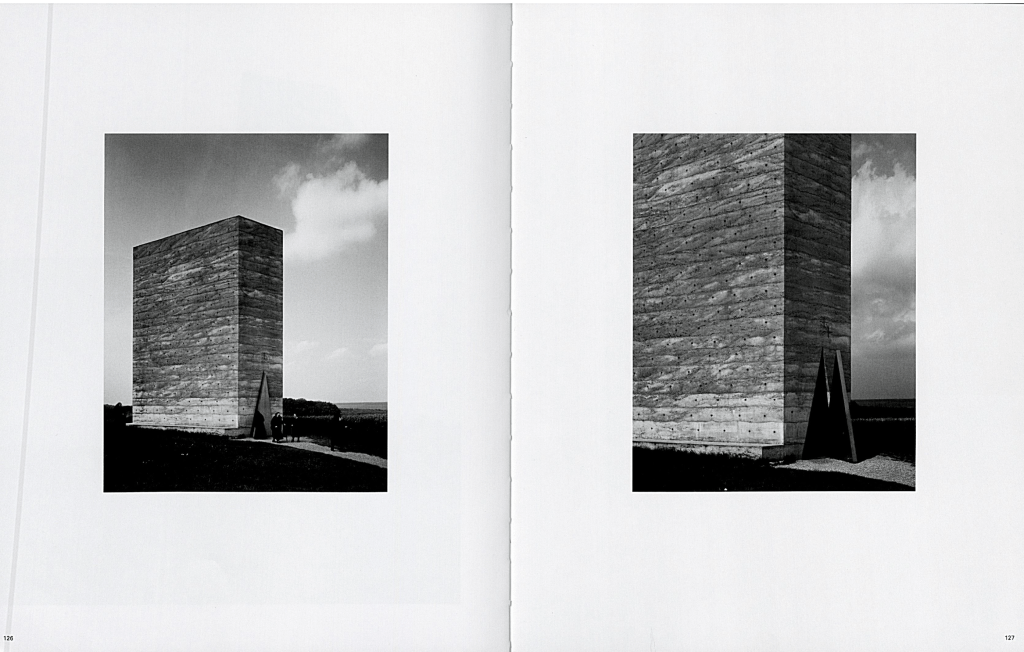
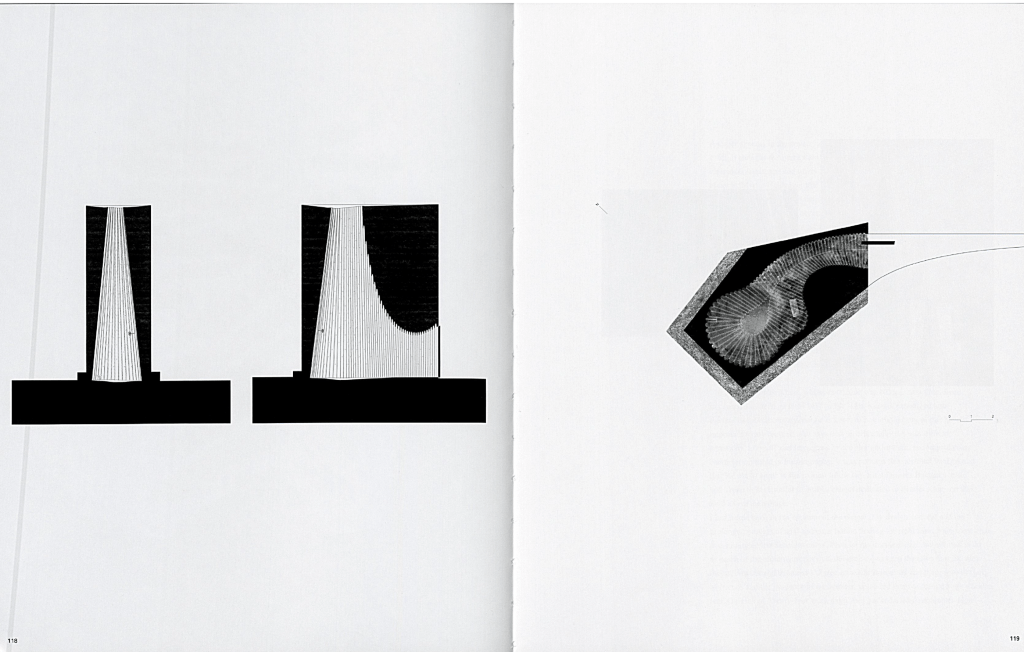
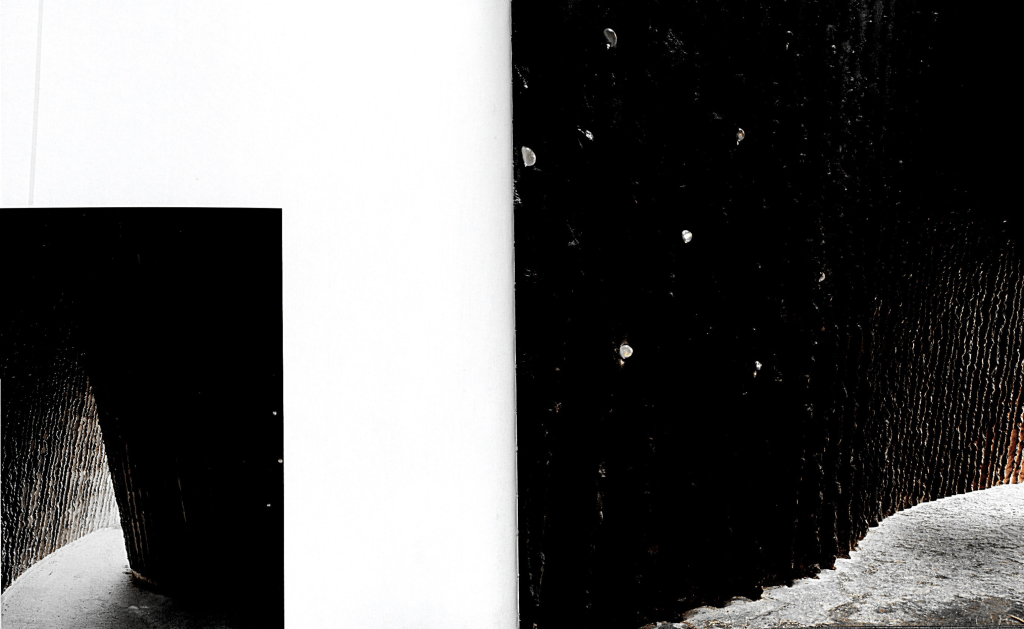
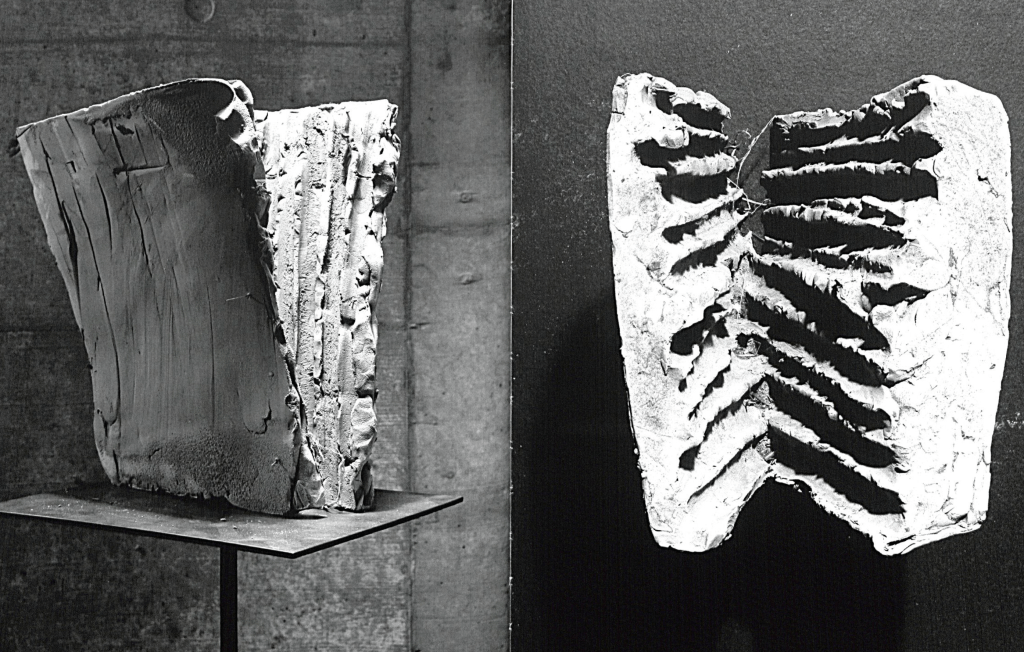
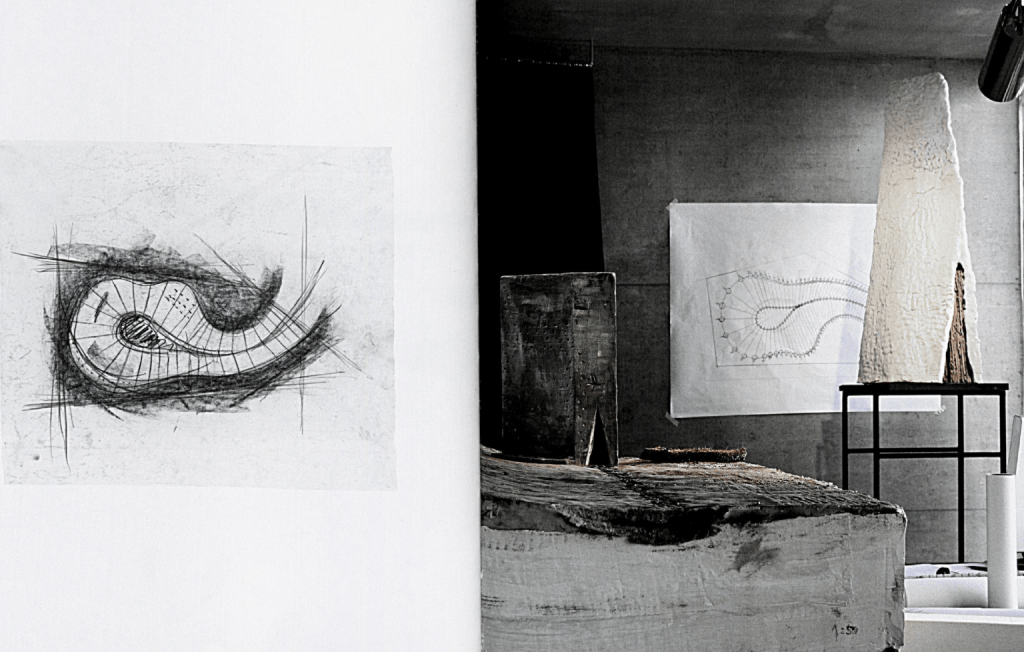
“病态”是模型中最阴暗复杂的部分。启发于瑞士建筑师皮特·祖姆托设计的布鲁德·克劳斯田野教堂。在这个部分中,我旨在营造一种紧张和沮丧的空间。因此,它内部呈狭窄而尖锐的形状。
“Sick” is the darkest and most complex part of the model. Bruder Klaus Field Chaple, The chapel design by Swiss architect Piet Zumthor, inspired this part. In this part, I aim to create an intense and depressed space. Therefore, it has a narrow and sharp space inside.
Part 2 转折/ Incident

Outside View of “Incident”
到了2016年,我的体重已经回落到大众不再会肆意评价的状态,可能在社会审美视角里,只是一个“微胖”的概念。但是暴食已经变成了我的生活习惯,“吃饭”是我一天当中最负担的事情,因为我知道一旦我开始进食,咀嚼就像一个机械性动作一样,很难停下来,我感觉我的胃就像一个无底洞一样,能装下任何东西。这种状态不好,但是我无力去改变。
By 2016, my weight had dropped to a point where I no longer faced harsh judgment from society. I could be considered “slightly overweight” in the eyes of societal aesthetics. However, binge eating had become a habit ingrained in my daily life. “Eating” became the most burdensome task of my day because I knew that once I started, chewing became a mechanical action that was difficult to stop. My stomach felt like a bottomless pit, capable of accommodating anything. This state of being was unhealthy, but I felt powerless to change it.
Inside View of “Incident”
终于有一天,我在看老友记,那是第一部第13集,Phoebe的心理医生男友Roger对Monica说出了那句经典台词:”Remember, they’re just food…they’re not love.” 这句话提醒了Monica, 也提醒了我,食物应该只是食物,是我对食物夹杂了我对生活的愤怒,难过以及失望,从而导致我对“吃饭”感到矛盾。后来也有一位长辈和我说:“没关系,今天吃多了,明天吃少点就好。”原来答案就是这么简单,我如释重负。在此之后,我逐渐恢复到正常饮食。
Finally, one day while watching an episode of Friends, specifically Season 1 Episode 13, Phoebe’s psychologist boyfriend, Roger, uttered those iconic words to Monica: “Remember, they’re just food…they’re not love.” This statement struck a chord with Monica and with me as well. It reminded me that food should simply be food, and I had intertwined my anger, sadness, and disappointment with it, causing a conflicting relationship with “eating.” Additionally, an elder once told me, “It’s okay, if you eat a lot today. Just eat less tomorrow.” The answer was surprisingly simple, and I felt a weight lifted off my shoulders. From then on, I gradually restored a healthy relationship with food and returned to normal eating habits.
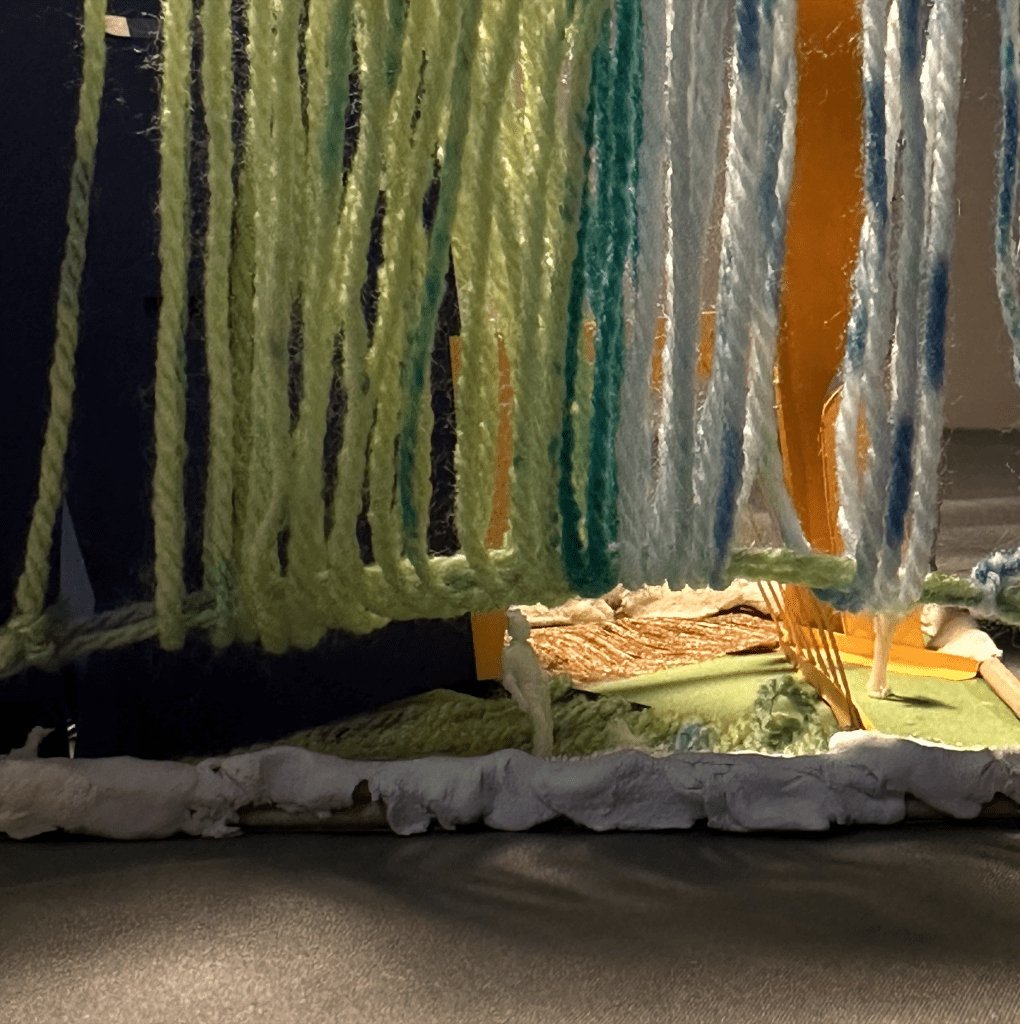
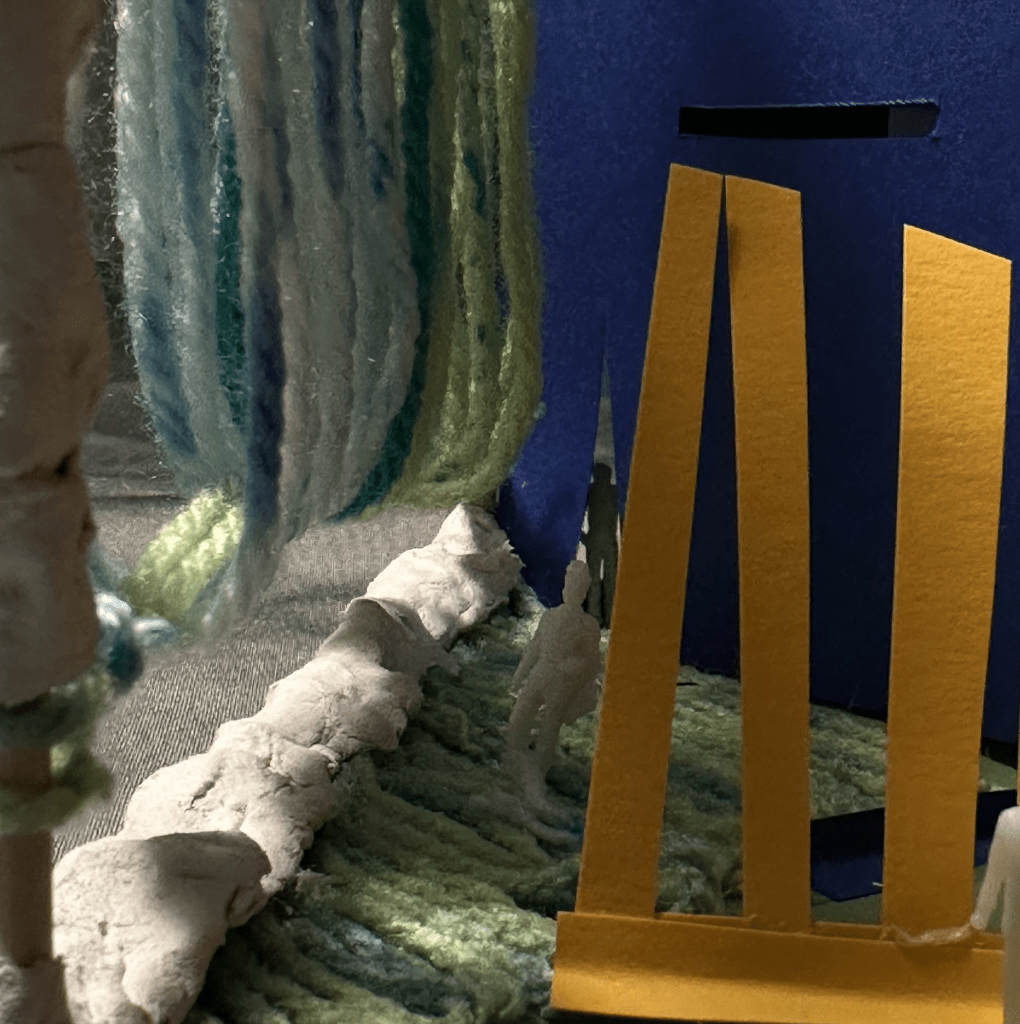
“转折”由编织的羊毛构成。与“病态”相比,“转折”没有那种“禁区”的感觉,更像是一个半开放的空间。材料更柔软多彩。同时,光线开始穿过屏障。
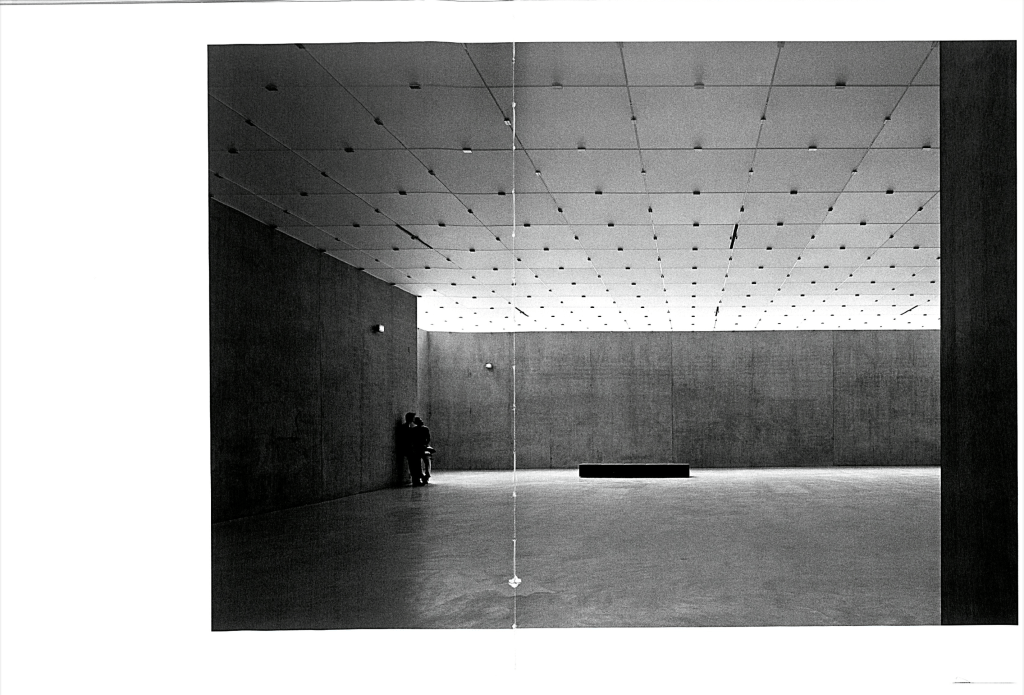
在完成模型后,我回顾了彼得·祖姆托的作品,我意识到“转折”与布雷根茨艺术博物馆具有相同的设计逻辑。该建筑的外立面受到湖面上的雾的启发。它们都是半透明的空间。然而,毫无疑问,祖姆托尔的项目比我的作品更精致优雅。
This part forms by knitting wool. Compared with “Sick”, “Incident” is less than the sense of “forbidden area”. It’s more like a semi-open space. Material is softer and more colourful. Meanwhile, lights start to go through barriers.
I look back at Peter Zumthor’s work after finishing the model. And I realise the “Incident” has the same design logic as Bregenz Art Museum. The building’s facade was inspired by fog on the lake. Both of them are semi-transparency spaces. However, it’s no doubt that Zumthor’s project is more delicate and elegant than my work.
Part 3 复原/ Recover
Soft and Bright Buffers in the “Recover” Part
从2017年开始,我花了很长时间调整我的饮食习惯,在此期间,我学到了相对喜欢的专业,也认识了很好的朋友们,同时下意识地远离toxic的审美文化,基本保持了一个快乐的状态。我开始真正地享受食物,而不是伪装成能吃的样子去吃东西。我之前在社交网络上有意塑造了一个我是一个很喜欢吃东西的女生的形象,甚至建了一个相册,里面的照片全都是我吃的东西,之后这个相册再也不用了,因为我已经学会了珍惜眼下的食物。
Starting in 2017, I spent considerable time adjusting my eating habits. During this period, I discovered a field of study that I genuinely enjoyed and made some wonderful friends. I also consciously distanced myself from toxic beauty standards, maintaining a state of happiness. I began to appreciate food rather than pretending to enjoy it for appearances’ sake. In the past, I had intentionally crafted an image on social media as someone who loved to eat, even creating an album dedicated to food pictures. However, I no longer needed that album because I had learned to cherish the food before me and embrace the present moment.
Soft Curves form the Structures
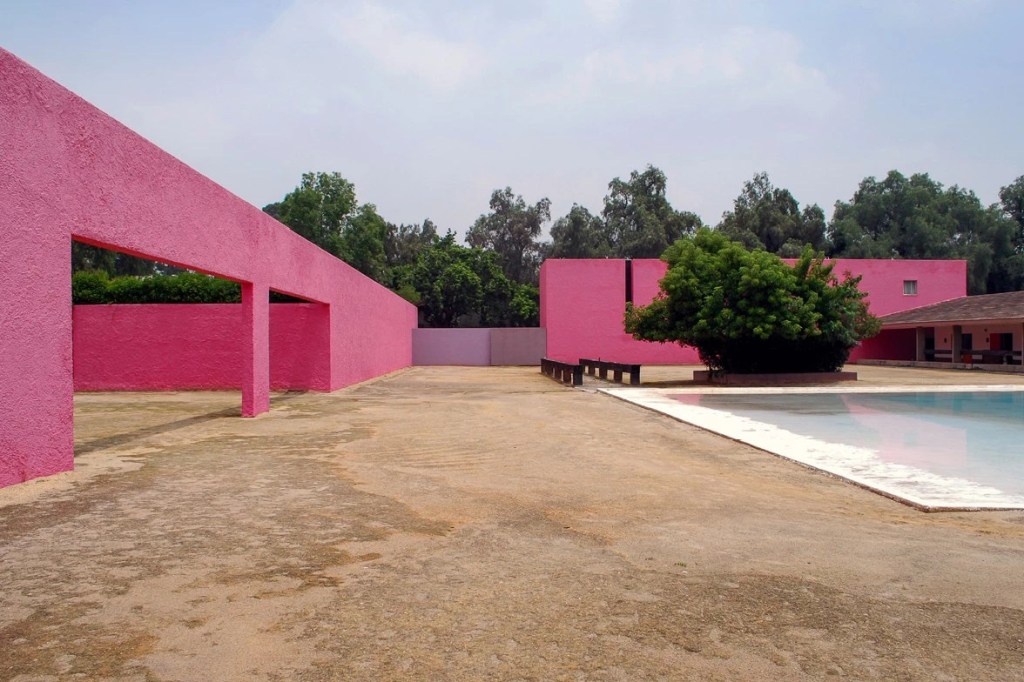
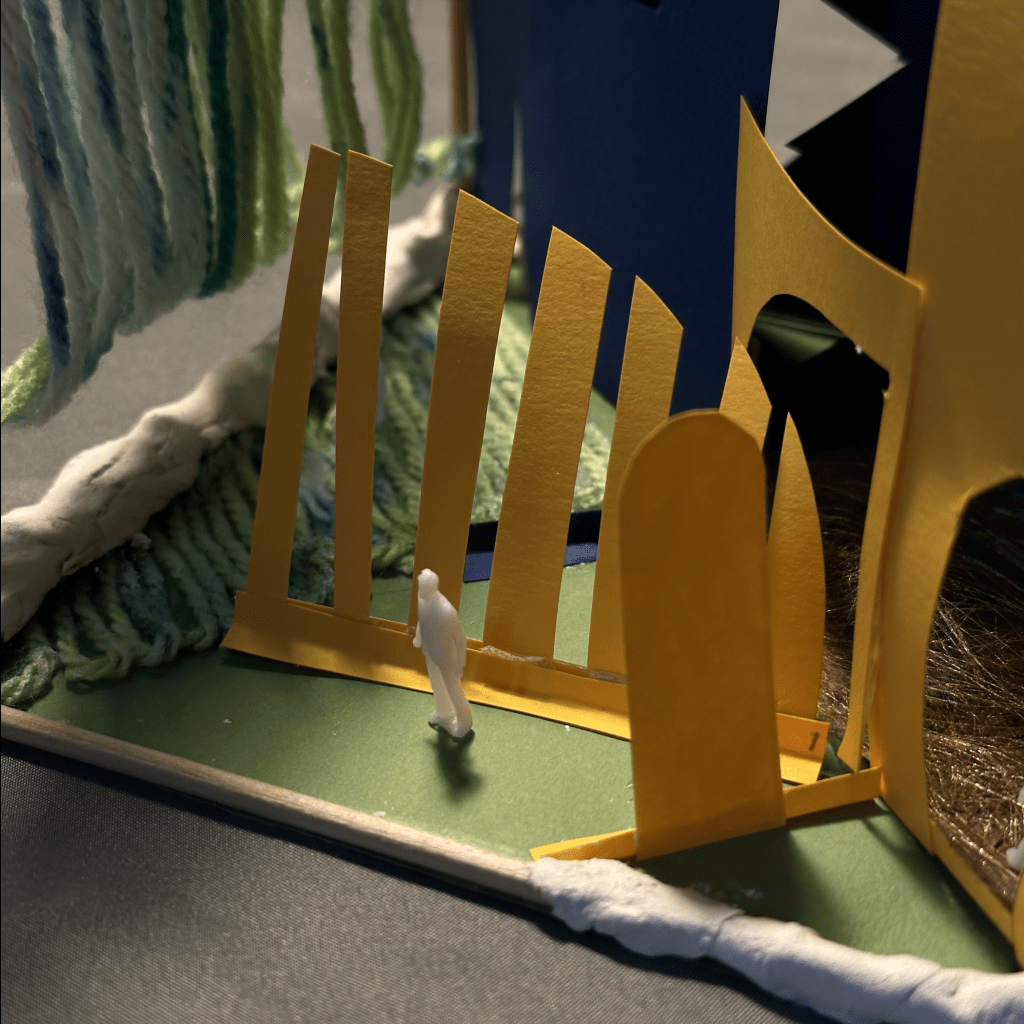
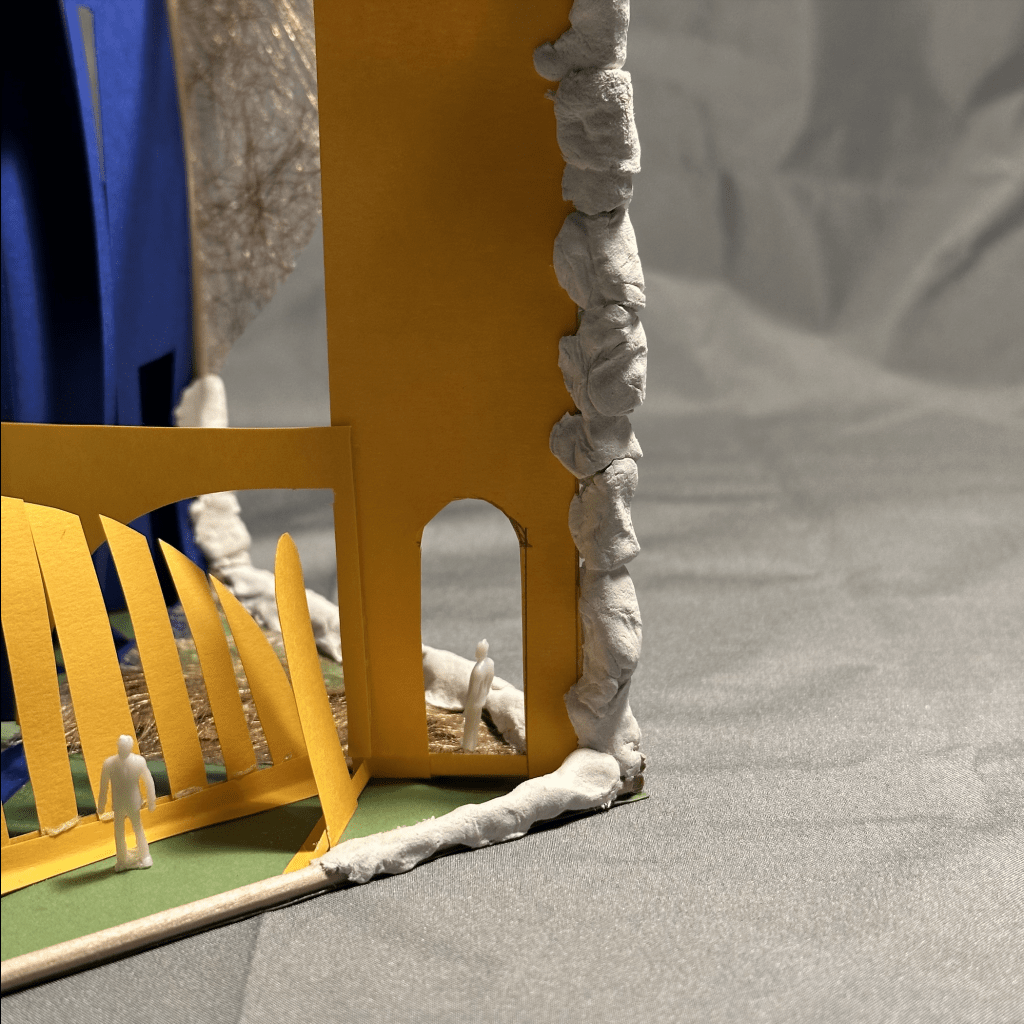
这部分的前期研究是路易斯·巴拉甘(Luis Barragán)设计的圣克里斯托瓦尔牧场(Cuadra San Cristobal)。除了具有显著的视觉冲击力外,整个建筑项目充满了喜悦和激情。我希望保留他建筑的氛围。因此,在参考他的平面图后,我决定在“Recover”中放置一系列开放的墙壁和带有鲜艳纸张的门。
The precedent study of this part is the Cuadra San Cristobal design by Luis Barragán. Besides having a substantial visual impact, the whole building project is full of joy and passion. I want to keep his building atmosphere. Hence, I decided to put a series of open walls and doors with bright papers in “Recover” after I referred to his plan.

Part 4 常态/ Normal
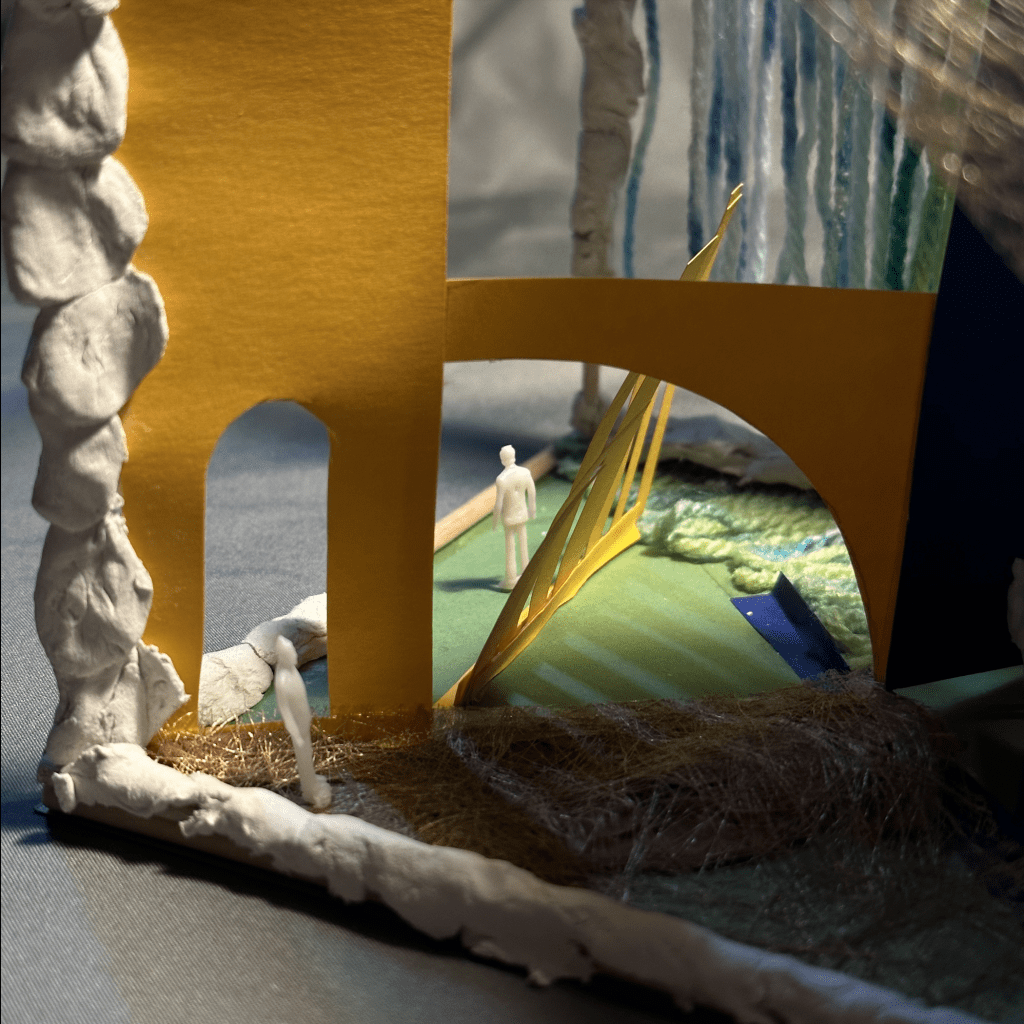
Open Space in “Normal” Part
在做完模型后,我突然意识到我对“食物”更加宽容了,偶尔吃多后我也不会感到懊悔,当然,这种情况下的吃多只是跟朋友聚会时点菜点多了,而不是报复性饮食。前段时间我看到一句话,“胃是情绪器官”,我想对我而言是确切的。人总是会遇到千百种困扰,但同时会有千百种健康的抒发方式。希望朋友们保持开心,好好吃饭。
After completing the model, I suddenly realised I had become more accepting of food. Occasionally overeating no longer filled me with regret. Of course, these instances of overeating simply resulted from ordering too much food during social gatherings rather than engaging in retaliatory eating. Recently, I came across a quote that said, “The stomach is an emotional organ,” and I found it true. We all face numerous challenges, but there are also countless healthy ways to express ourselves. I hope my friends can stay happy and enjoy their meals.
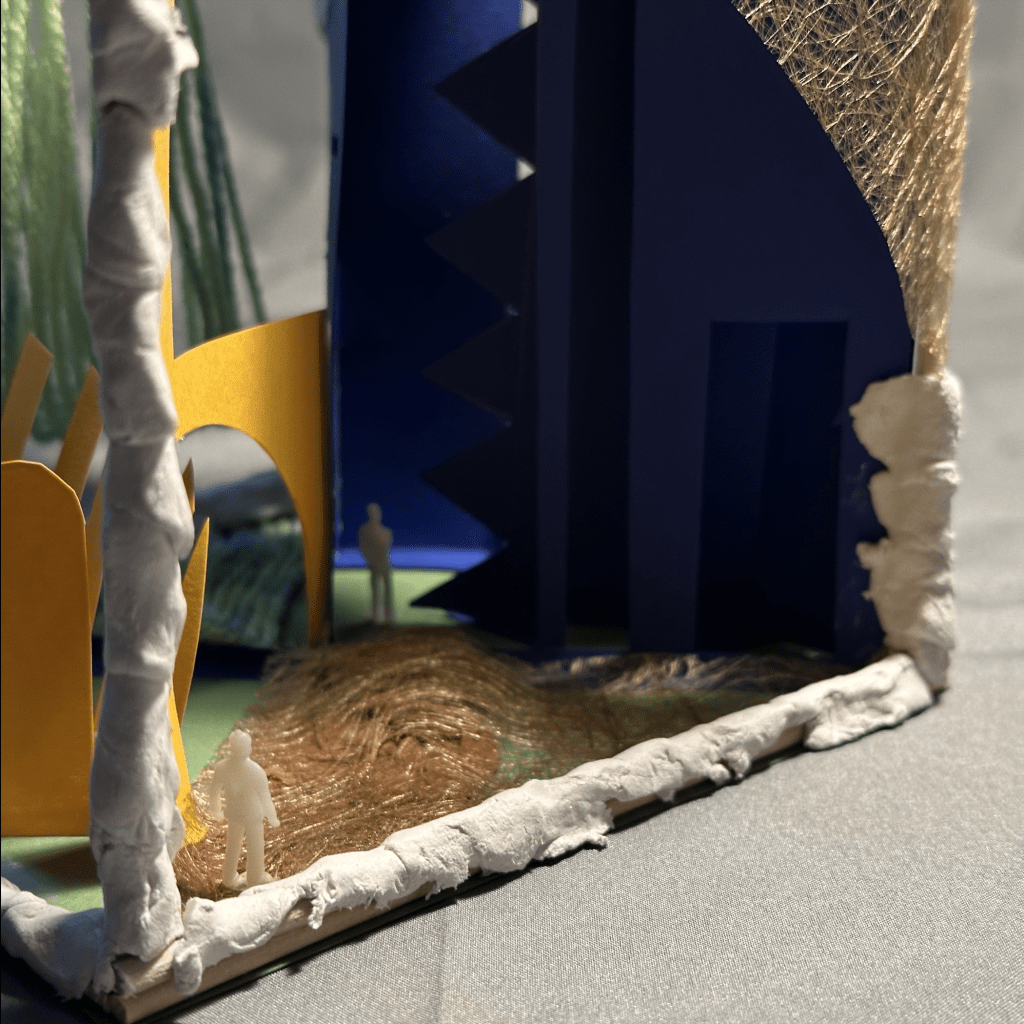
The Way leads to “Sick” and “Recover.”
“常态”是介于”病态”和”复原”之间的中立状态。它是一个微妙的状态。我在这里创造了一个开放的空间,代表人们可以自行选择走向两边。”正常”是一种连接,也是一种决定。这取决于个人的心态。此外,这也是我目前的处境。我现在回到了”正常”状态。但我仍然可以回到”病态”或停留在”常态”。或者返回”复原”状态。这很难,取决于我的决定。
“Normal” is a Neutral State between “Sick” and “Recover”. It’s a tricky state. I made an open space in there. It represents people can choose by themself to go to either side. “Normal” is a connection, also a decision. It’s up to people’s minds. Besides, it’s also the current situation that I have. I’m back to “Normal” now. But still can go back to “Sick” or stay in “Normal”. Or return to “Recover”. It’s hard to say. It depends on what my decision is.
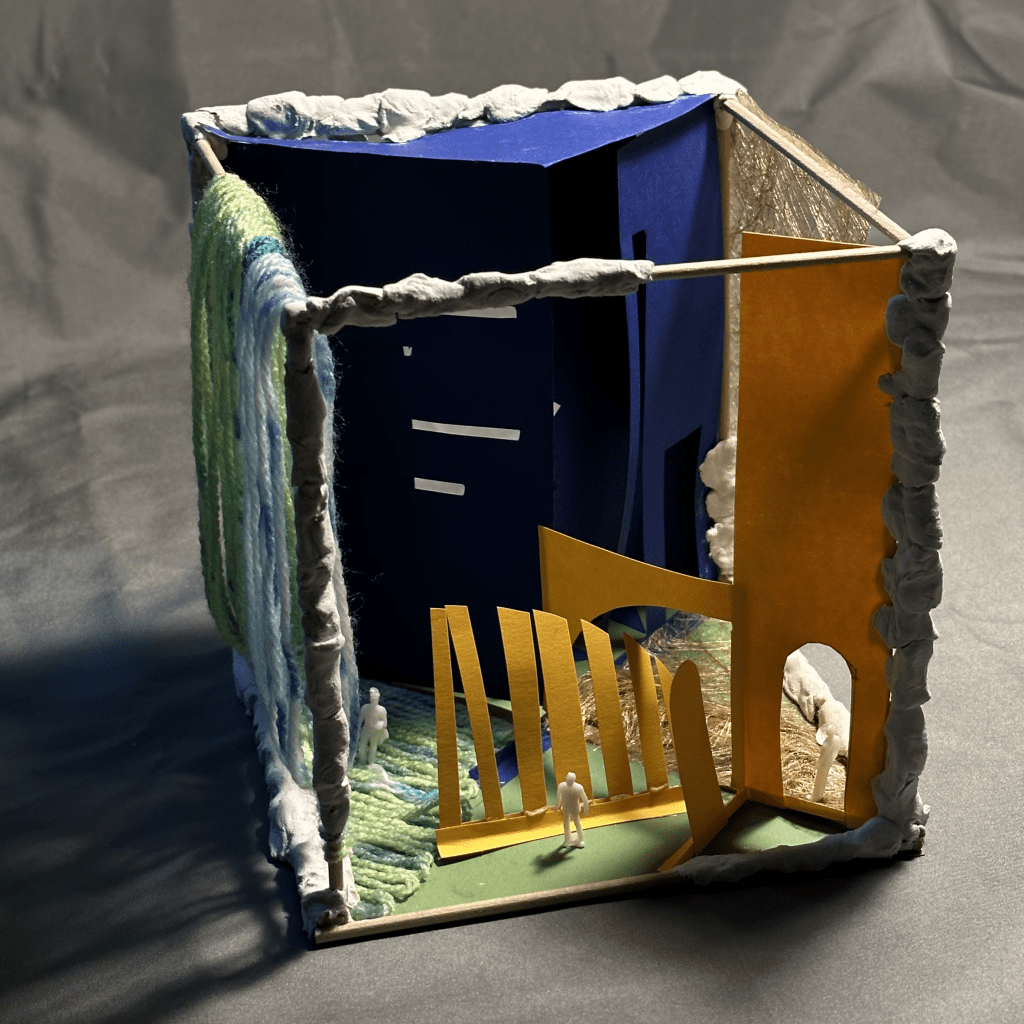
模型一览
Overview of the model
十四个访谈 Fourteen interviews
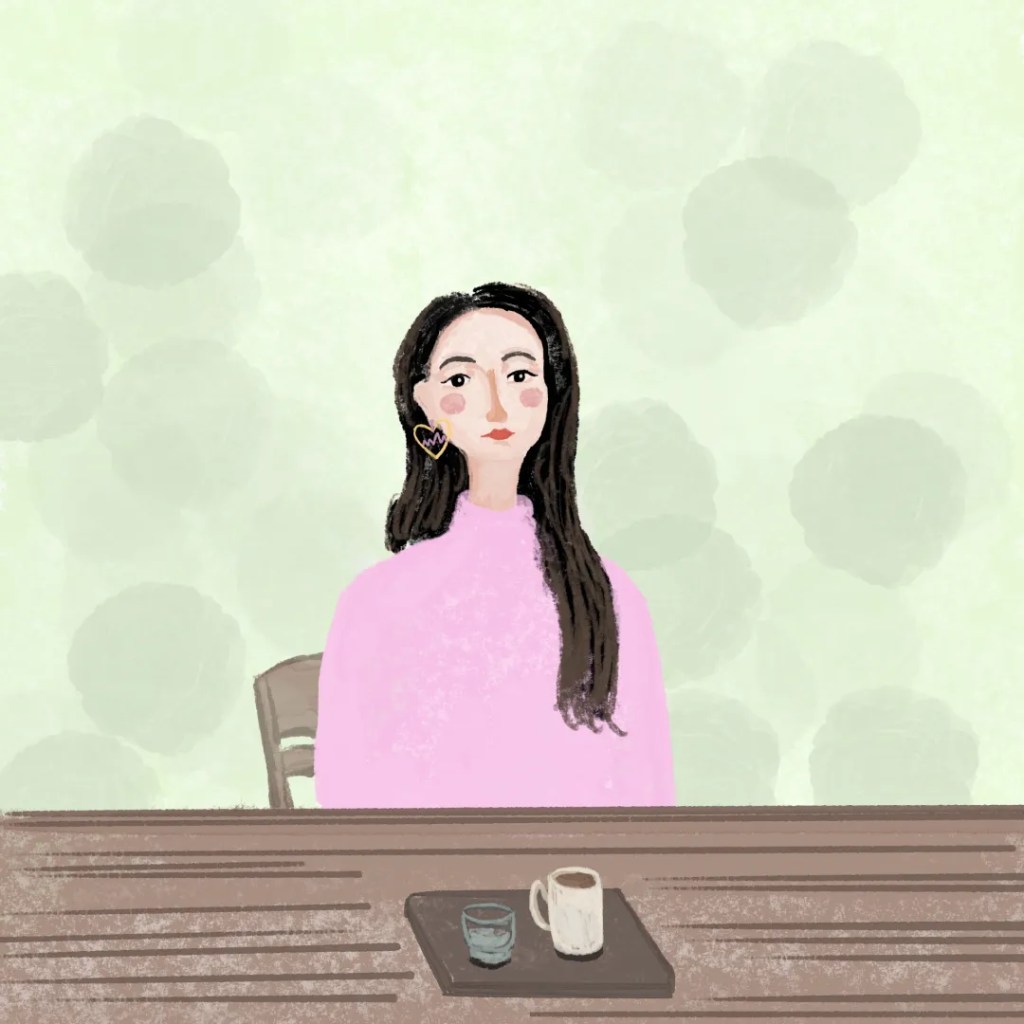
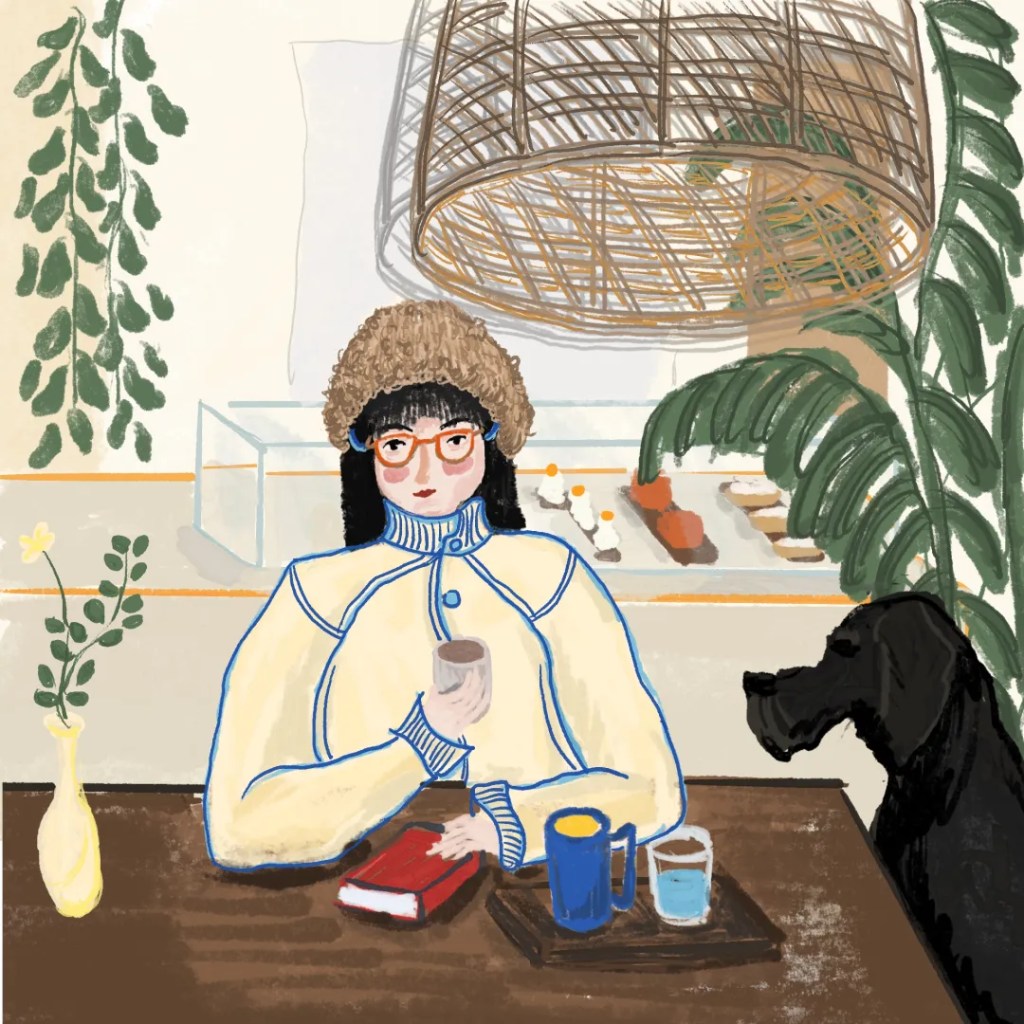
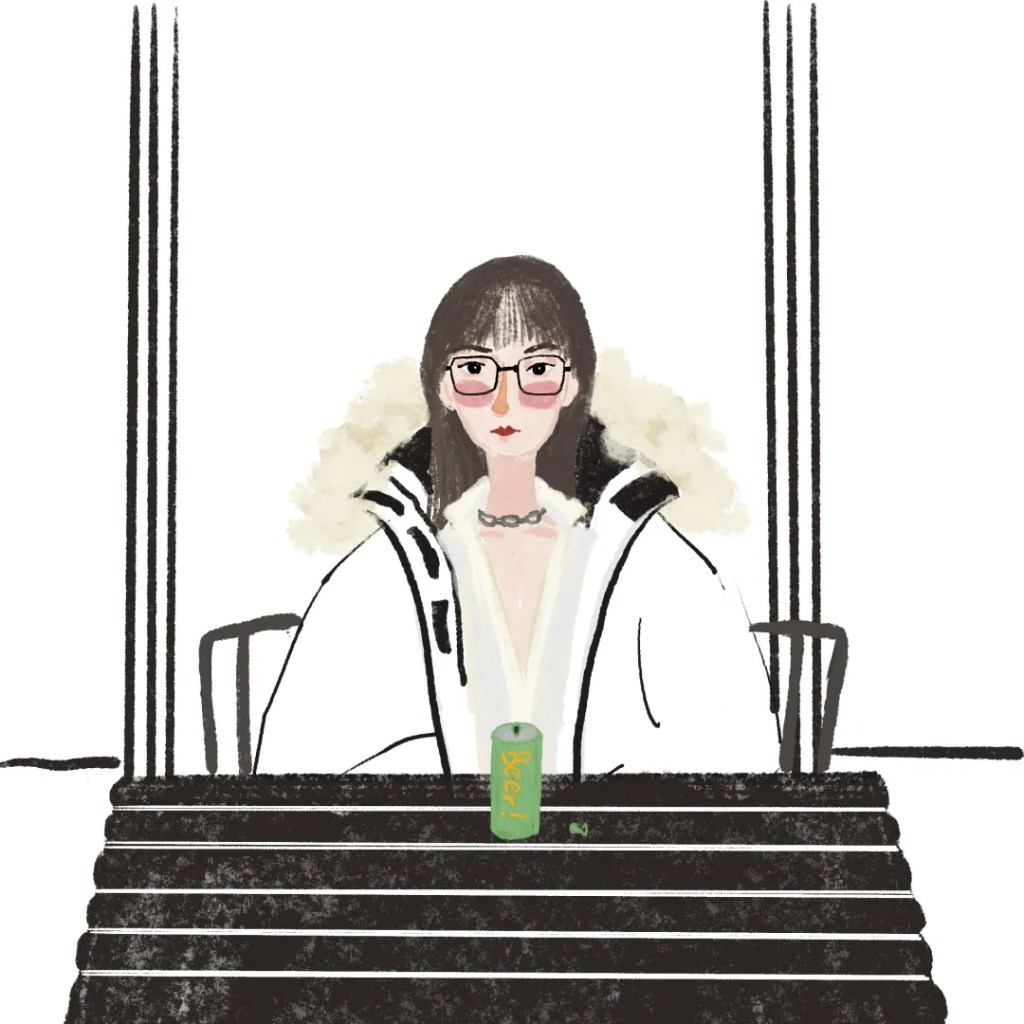
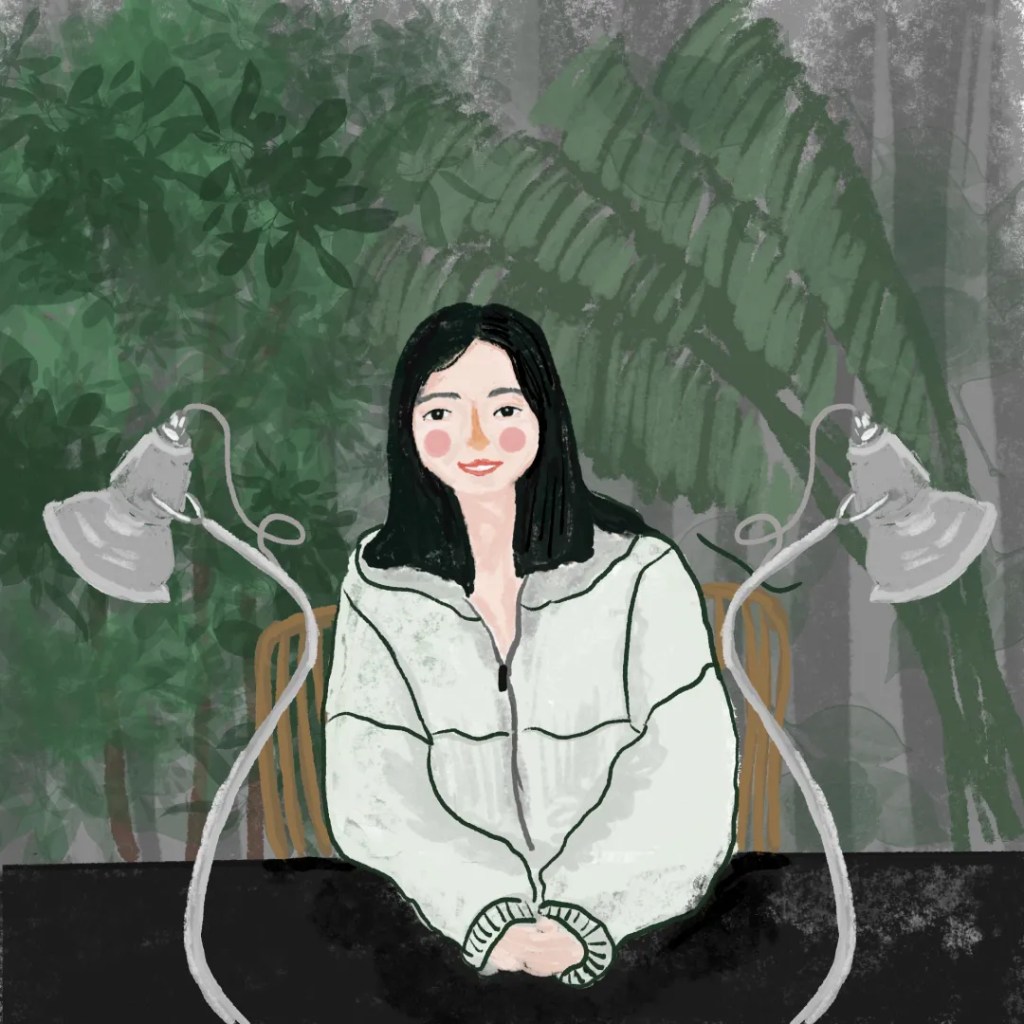
在完成模型后,我在伦敦采访了十四位中国女性,她们都患有进食障碍。这些女性包括学生和职场人士。她们向我分享了她们的经历和对进食障碍的看法。她们都从青春期开始受到审美焦虑的困扰,随后不约而同地开始节食减肥,最终导致饮食失控。我邀请她们根据病态(Sick)、转折(Incident)、复原(Recover)和常态(Normal)这四个不同阶段来评价自己目前的状况。有些人正处于”转折”阶段,有些人正在”复原”,而还有一些人重新陷入了”病态”状态。
After completing the model, I conducted interviews with fourteen Chinese women in London who were suffering from eating disorders. Among them were students and working professionals. They shared their experiences and thoughts on eating disorders. They all mentioned that they were plagued by beauty standards and body image anxieties since their adolescence, which led them to engage in restrictive eating and dieting. Eventually, their relationship with food spiraled out of control. I invited them to evaluate their current situations based on four different stages: “Sick,” “Incident,” “Recover,” and “Normal.” Some found themselves in the “Incident” stage, while others were in the “Recover” stage. Unfortunately, some had reverted back to the “Sick” stage.
摘要 Abstracts
“…朋友要开始减肥,所以我跟她一起减,因为两个人做事情总比一个人要坚持地长久,所以我们俩那整整一年都没吃晚饭,一直在掉秤…”
“…我会催吐,因为这是一种简单的行为,别人催吐可能需要用手指抠喉咙或者用牙刷压着舌头,但是我不需要,我只要腰一弯就可以吐出来,这对我来说太简单了。””
“…在这期间我只能吃流食,从主动节食到被动节食,我意识到再这样下去我可能一辈子都不能正常吃饭了…”
“…妈妈是一名医生,但她没意识到我得了心理疾病。只是建议我去医院检查肠胃。她做饭重口味,她会逼我吃饭,觉得吃得少不利于学习…”
“…开始“嚼吐”,就是只咀嚼食物但是不吞下去,我可以买两大袋食物,一直嚼一直吐,持续3个小时。有一段时间我每天都会这样做。”
“…在英国,医生会提供“CPT”疗法(Cognitive processing therapy),就是从认知层面改变对食物的看法,这有点像《Friends》里的台词:“It’s food, not love.”。”
“…因为在青春期时对自己的认识是建立在别人的评价上的,这种评论让我觉得我的身体很丑,让我很没有自己,所以我那时候穿肥大的衣服会把自己的身体盖住。”
“…后来我的观念也转变了。”You are what you eat.” 合理的饮食会让自己更健康。我会看一些饮食Vlog,更平和地看待食物,享受食物比对抗食物更舒适…”
“…我更想成为我审美当中喜欢的样子。我想认同自己,找回同理心,找到自己的价值。”
“…My friend wanted to start losing weight, so I joined her in the journey because doing things together with someone can lead to more sustainable commitment. So, for a whole year, we didn’t eat dinner and kept shedding pounds…”
“…I would induce vomiting because it was an easy action. While others may need to use their fingers to trigger their gag reflex or press their tongue with a toothbrush, I didn’t need that. All I had to do was bend over, and it would come out effortlessly for me.”
“…During that time, I could only consume liquid foods, transitioning from voluntary to involuntary restriction. I realized that if I continued like this, I might never be able to eat normally again…”
“…My mother is a doctor, but she didn’t realize I had a psychological disorder. She would cook meals with strong flavours and force me to eat, thinking that eating less would hinder my studies…”
“…I started “chew and spit,” where I would chew food but not swallow it. I could buy two big bags of food and keep chewing and spitting for three hours straight. There was a period when I did this every day.”
“…In the UK, doctors offer Cognitive Processing Therapy (CPT), which aims to change one’s perspective on food at the cognitive level. It’s a bit like the line from “Friends”: “It’s food, not love.”
“…During my adolescence, my self-perception was built upon other people’s evaluations, and those comments made me feel that my body was ugly and that I lacked my own identity. That’s why back then I would wear oversized clothes to cover up my body.”
“…Eventually, my perspective changed. ‘You are what you eat.’ Having a balanced diet can make me healthier. I watch some food Vlogs now, and I view food in a more peaceful way, enjoying it rather than fighting against it…”
“…I wanted to become the version of myself that I admired aesthetically. I wanted self-acceptance, to regain empathy, and to discover my worth.”
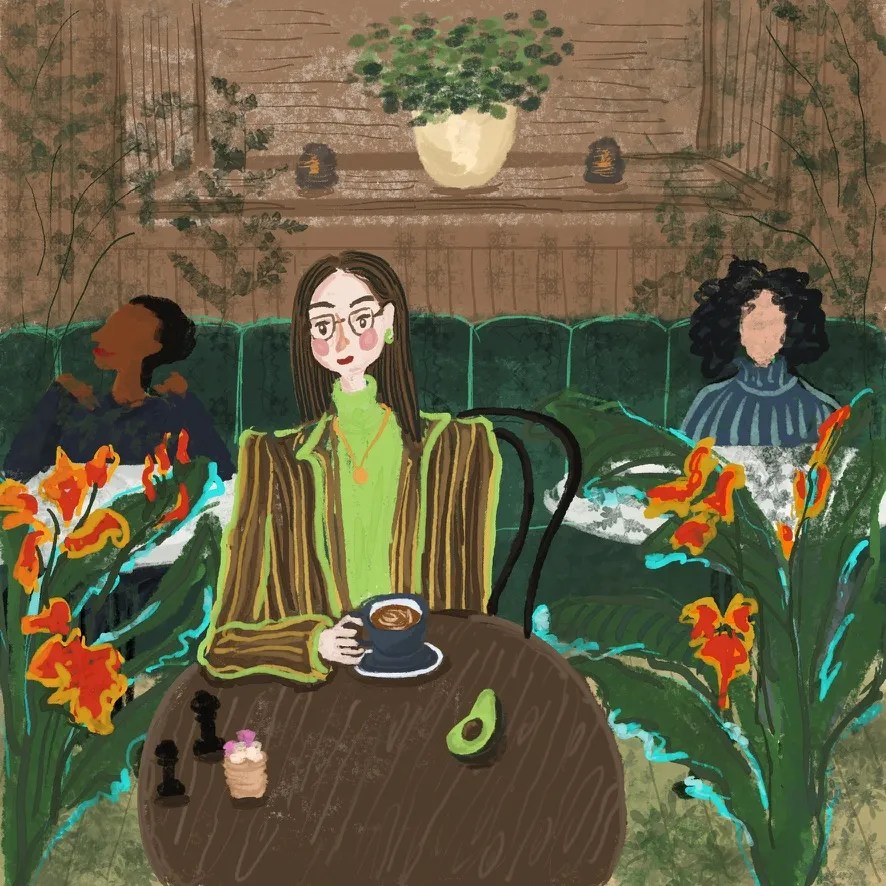
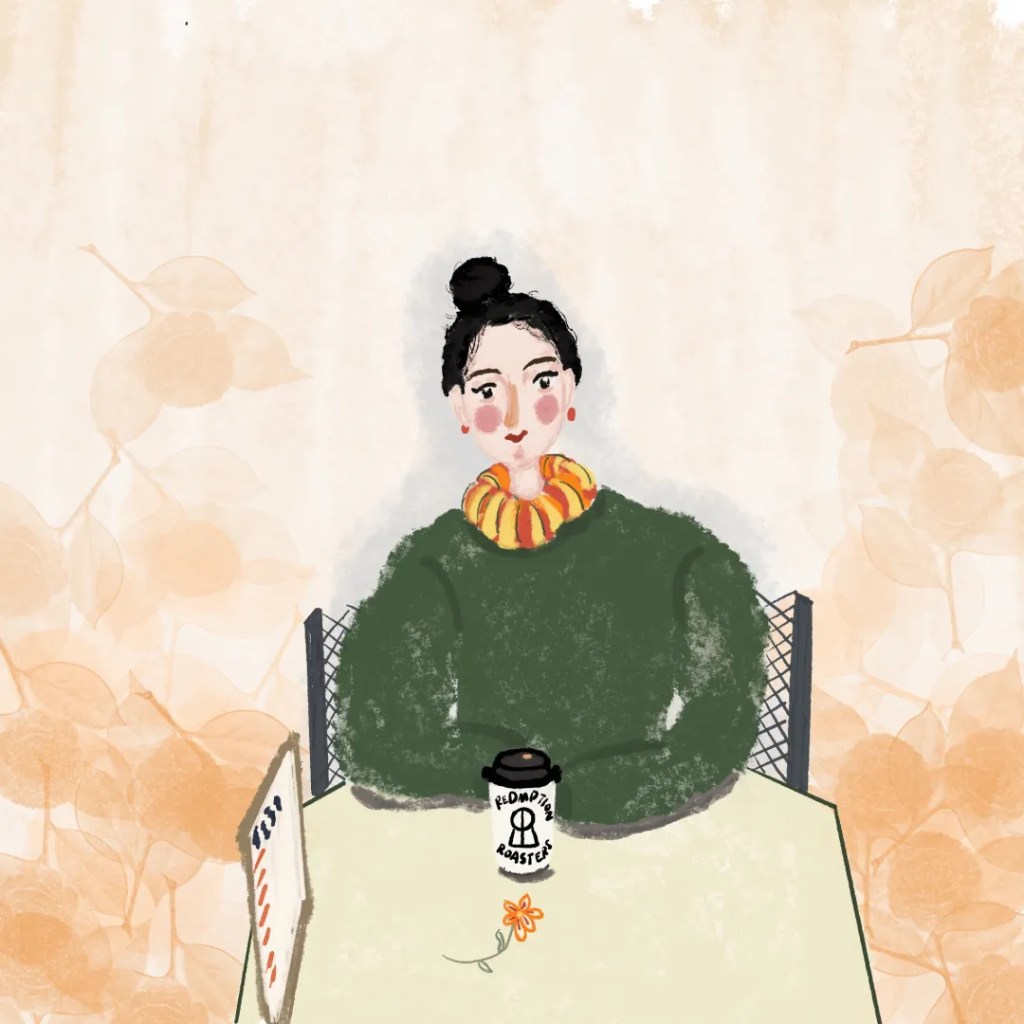



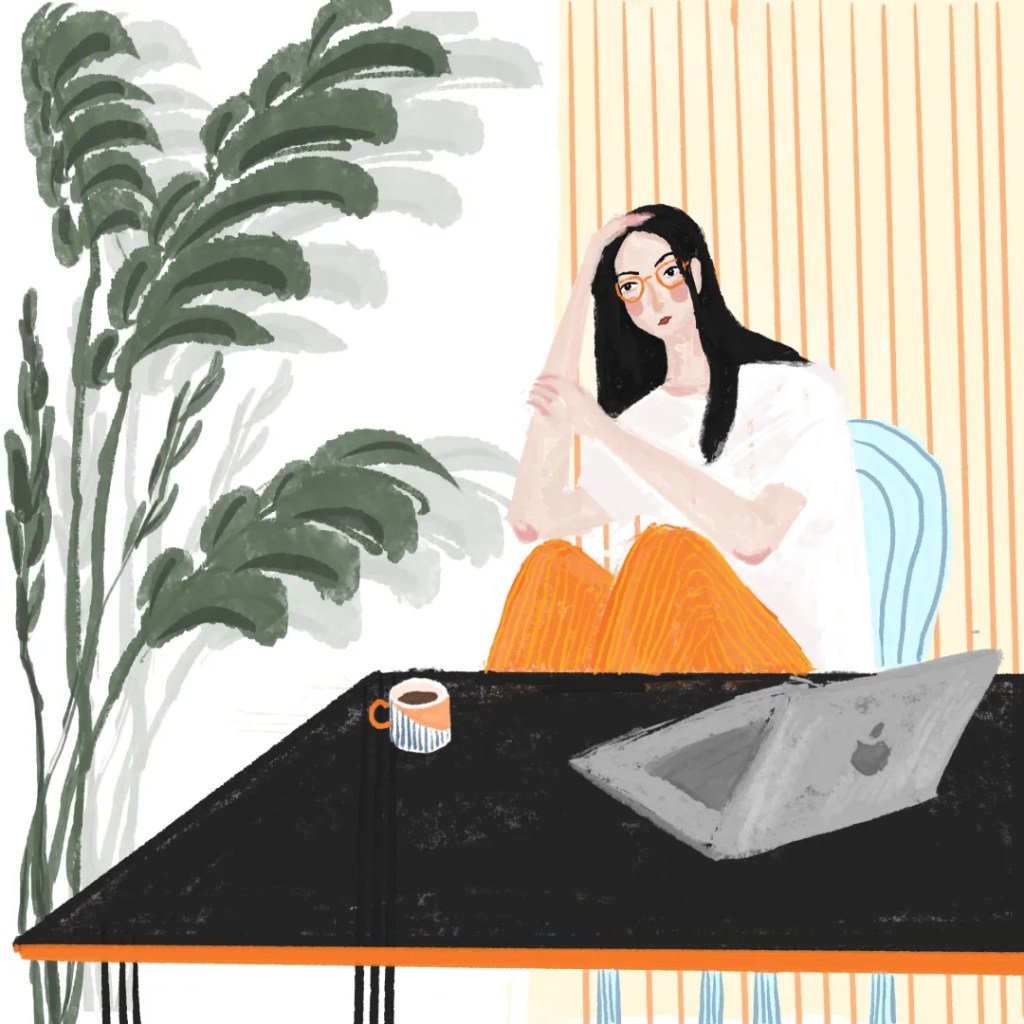
Who will be the next?
 shuangsspace